
News
MO.CO. Montpellier Contemporain explores the body with Kiki Smith and monstrosity with “À fleur de peau”

At MO.CO. Montpellier Contemporain, a major monographic exhibition dedicated to Kiki Smith marks 40 years of her artistic career.
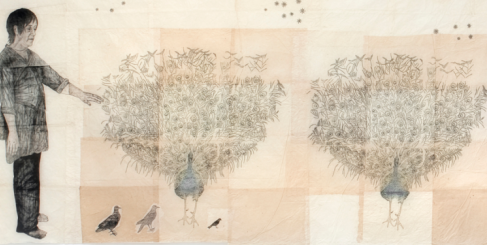
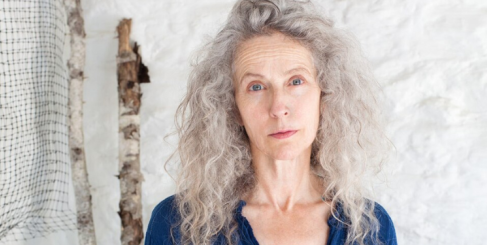
This summer, MO.CO. is dedicating its spaces to the renowned American artist Kiki Smith. After hosting other major female figures of contemporary art such as Berlinde De Bruyckere, Huma Bhabha, and Françoise Pétrovitch, the institution celebrates a multifaceted practice centered on the question of being in the world — social, spiritual, animal, and celestial bodies.
Kiki Smith, an American artist born in Germany in 1954, has developed since the 1980s a multidisciplinary practice spanning sculpture, engraving, photography, drawing, books, tapestries, and various objects. A defining feature of her work is experimentation through diversity and a rejection of any hierarchy of mediums. A central theme remains the human body, often female, its anatomy, imprint, and relationship to the living world. At times unsettling, altered, or fragmented, it also appears serene, unifying, and as a meeting point of energies.
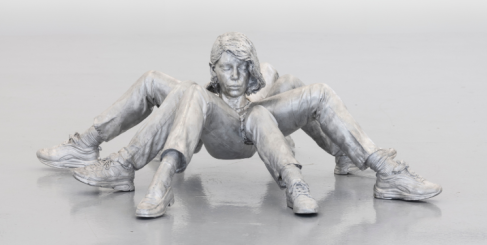
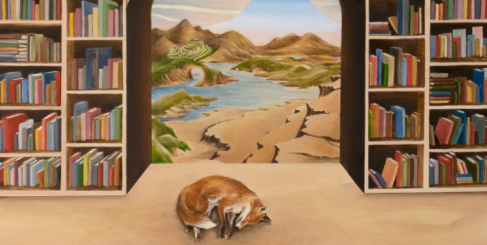
In parallel with the exhibition dedicated to Kiki Smith, MO.CO. Panacée presents a collection exhibition, “À fleur de peau,” on monstrosity
This summer, MO.CO. Panacée is hosting a group exhibition exploring monstrosity, and monstrous and mutant forms in contemporary art. As Antonio Gramsci once said, we live in an age of monsters. Gramsci may have been referring to the “interregnum,” a moment between legal and political orders in which legality is suspended, which in his case preceded the rise of fascism in the 20th century. Our present day does not seem immune to what can only be described as monstrous, even if it resists precise definition. According to teratologist Jeffrey Jerome Cohen, the monster represents everything a society seeks to reject: error, difference, deviance, excess.
While these terms initially referred to monstrosity as a biological anomaly within a scientific and medical framework, they now extend to the notion of the social monster: a being or an idea reflecting the current state of a society and its imagination. Through nearly eighty works by around twenty artists, dating from the 1970s to the present day, À fleur de peau does not aim to diagnose monstrosity, but instead opens Pandora’s box to reveal that the monstrous is often not as distant as we might think. It exists on both sides of the epidermis.
MO.CO.